
Case Study · Cardiometabolic Health
Coronary Artery Disease: Detecting Heart Disease Before Symptoms
- All Case Studies
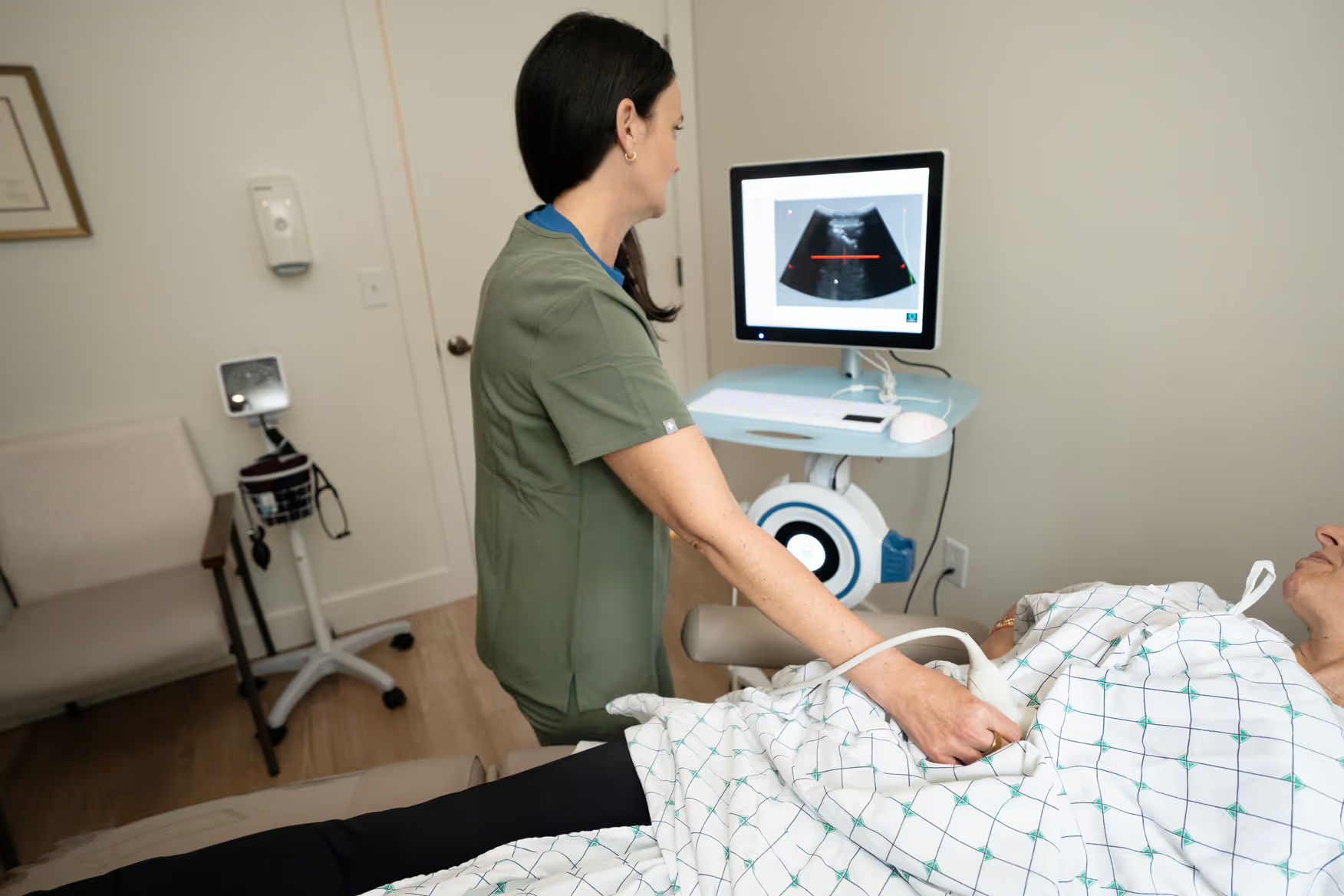
He came in feeling well and focused on his knee. A deeper cardiovascular evaluation revealed critical multivessel coronary artery disease that could have led to a major cardiac event and may have gone undetected in a symptom-driven model of care.
Patient
Male, late 50s
Presenting Concern
Post-surgical knee pain
Physician
Dr. Chris Di Giorgio
Time in Care
About one year
Regenerative Medicine
Metabolic Health
Hormone Optimization
Preventive Cardiology
He Came In For
A knee that would not heal
Two knee surgeries in a year, the first complicated by infection. Months later, still in pain and unable to exercise or walk comfortably, with his daughter’s wedding two months away.
What We Found
Critical multi-vessel coronary disease
Beneath a strong family history and a cluster of traditional and non-traditional risk factors, a markedly elevated coronary calcium score led to catheterization and, two days later, bypass surgery.
Where He Is Now
A Different Cardiovascular Trajectory
What appeared to be an asymptomatic patient was actually someone with significant cardiovascular disease. Identifying it before a major cardiac event gave us the opportunity to intervene early, reduce his risk, and change his long-term health trajectory.
The Journey
Four Chapters in One Year of Care
Each phase built on the last. The foundational work done early is what made the later findings treatable, and the recovery possible.
Months 0–2 · Regenerative Medicine
I.
The Knee, and the Wedding
He came to Nova for alternatives to further surgery. A knee operation a year earlier had healed poorly and become infected, leading to a second operation a few months before his first visit. He was months out and still limited: significant pain, little ability to exercise, and difficulty walking comfortably. His real concern was not clinical. His daughter was getting married in two months, and he was afraid he would not be well enough to dance with her.
We began a multimodality approach to restore function and reduce pain. By the wedding, he had full functionality with no pain, and he had that dance.
Multimodality knee program
Outcome: full function, no pain
Months 2–8 · Metabolic and Hormonal Health
II.
Rebuilding the Foundation
With the knee resolved, we turned to metabolic health. Over the following months we reversed his insulin resistance, optimized his body composition with a meaningful reduction in visceral fat, and, after evaluation, began testosterone replacement therapy. His energy, sleep, and quality of life improved, and his long-term risk of chronic disease fell with them.
By the end of this phase he was, in his own words, feeling and looking better than he had in twenty years.
Multimodality knee program
Outcome: full function, no pain
Months 8–11 · Cardiovascular Risk
III.
Looking Beneath a Healthy Surface
With the foundational work done, we began a deliberate look at cardiovascular risk. He carried a family history of heart disease alongside a combination of traditional and non-traditional risk factors: elevated ApoB, elevated hsCRP, elevated homocysteine, insulin resistance, suboptimal vitamin D, hormone imbalance, and elevated visceral fat. Each was treated through nutrition, exercise, lifestyle, targeted supplements, peptides, and TRT.
Then we proceeded to additional testing, beginning with a coronary artery calcium score.
Months 8–11 · Cardiovascular Risk
IV.
A Markedly Elevated Score, and Six Days
The calcium score came back markedly elevated, confirming that this was not simply a patient with future cardiovascular risk. He already had a significant burden of coronary disease—and without symptoms, it could easily have remained undetected until a heart attack or other major cardiac event brought it to our attention.
The disease had been developing quietly for years. By finding it before the first major event, we had an opportunity to change not only his immediate cardiac risk, but the trajectory of his health and longevity.
CAC
Score markedly elevated
Cath
Critical multi-vessel CAD
2 days
To bypass surgery
4 days
To discharge home
Led By
Dr. Chris Di Giorgio
Dr. Di Giorgio is a cardiologist with certifications in internal medicine, cardiovascular disease, echocardiography, nuclear cardiology, and vascular interpretation. Before Nova, he was Chief of Cardiology at HUMC Mountainside Medical Center. He leads preventive cardiology, metabolic health, and men's longevity.
Risk Factors Addressed
The Markers Standard Care Rarely Measures
A conventional panel would have flagged little of this. Each marker below was identified in his first months of care and treated before the cardiac workup began.
Nutrition
Exercise
Lifestyle
Supplements
Peptides
TRT
Advanced Lipids
Atherogenic particle burden beyond LDL (ApoB, Lipoprotein Little A, etc…)
Elevated hsCRP
Systemic inflammation
Elevated Homocysteine
Vascular and methylation risk
Insulin Resistance
Reversed during metabolic phase
Suboptimal Vitamin D
Repleted to optimal range
Hormone Imbalance
Addressed with TRT after evaluation
Elevated Visceral Fat
Reduced through body composition work
Family History of CVD
Non-modifiable; raised the threshold for testing
Physician’s Note
“Feeling better than you have in twenty years is not the same as being free of disease. His coronary disease had been building for decades before we met. What we could change was the terrain around it, and that is what allowed him to walk out of the hospital four days after open-heart surgery with a future that looks very different from the one he was headed toward. The goal now is not simply to prevent a heart attack. It’s to help him stay healthy enough to be there for the life ahead of him: his family, future milestones, and maybe one day dancing at his grandchildren’s weddings.”
Dr. Chris Di Giorgio, MD, FACC, FASE, CBNC, RPVI
What This Case Teaches
Three Lessons From One Year
I.
Start where the patient is
He came in for a knee and a wedding. Meeting that goal first built the trust and the physical base for everything that followed.
II.
Foundation before investigation
Reversing insulin resistance and reducing visceral fat before the cardiac workup meant he entered surgery, and recovery, in the best condition of his adult life.
III.
Test beyond the standard panel
A calcium score is simple, inexpensive, and rarely ordered. In this case it was the difference between a scheduled operation and an emergency.
What Are Your Blind Spots?
No symptoms does not always mean no disease. Advanced diagnostics can uncover cardiovascular risk before the first major event and create an opportunity to change the trajectory early.
Shared with the patient’s permission. Identifying details have been changed. Individual results vary; this case is not a guarantee of outcome.
Start Here
Request a Consultation
We started Nova because the appointments we were trained to give were too short for the questions our patients were asking. That is why a first visit here is 90 minutes, and why the two of us work from the same plan. We both see patients in Roseland, and we would be glad to meet you.